Your cart is currently empty
Product image slideshow Items
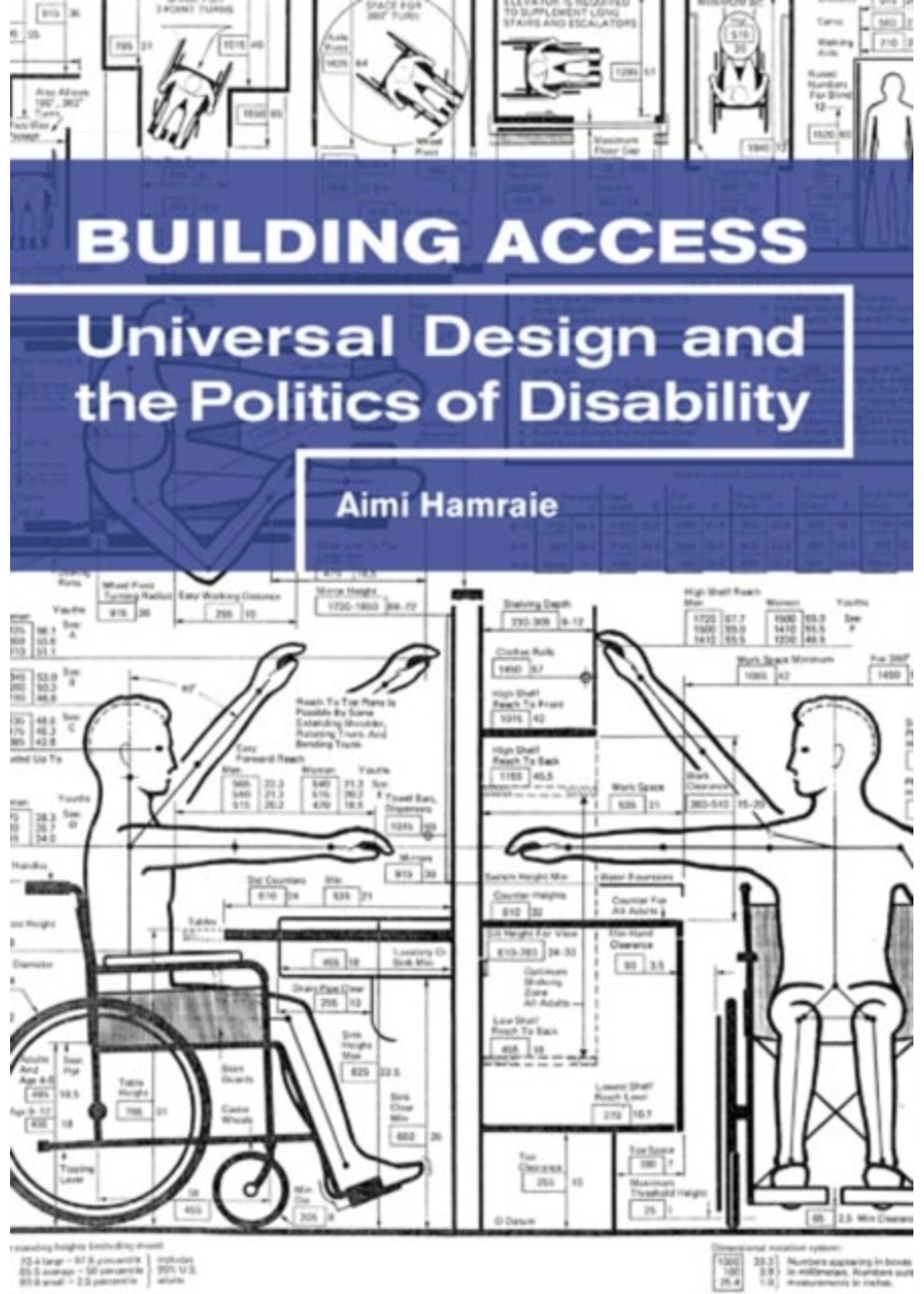
This text critically examines historical and contemporary frameworks of Universal Design through intersectional lenses of disability, race, and feminism. Hamraie argues that traditional design practices often neglect the needs of disabled users by adhering to a normate template, which is further complicated by systemic considerations of race and class. Through case studies, the work illustrates how barriers in design not only affect accessibility but also perpetuate social inequities, culminating in a call for an epistemic activism that emphasizes the dynamic nature of access-knowledge and its implications for inclusive design.